“`html
When it comes to forklifts, not all are created equal. Sure, they all lift and carry heavy stuff, but stick with me, and you’ll see there’s a world of difference between a rough terrain forklift and its warehouse cousin. Let’s dive into the nitty-gritty of these two workhorses.
Rough terrain forklifts are the rugged adventurers of the forklift world. Designed to operate on uneven, unpaved surfaces, these machines are your go-to for construction sites, lumber yards, and anywhere else that resembles a moonscape more than a polished warehouse floor. Their beefy tires and robust suspensions are dead giveaways—they’re built to handle whatever Mother Nature throws their way.
These forklifts can navigate muddy, rocky, or hilly terrains with relative ease. But remember, power comes at a price. They’re typically higher maintenance and consume more fuel than their warehouse counterparts. If you’re eyeing one of these bad boys for your next project, get a personalized consultation to ensure it’s the right fit for your needs.
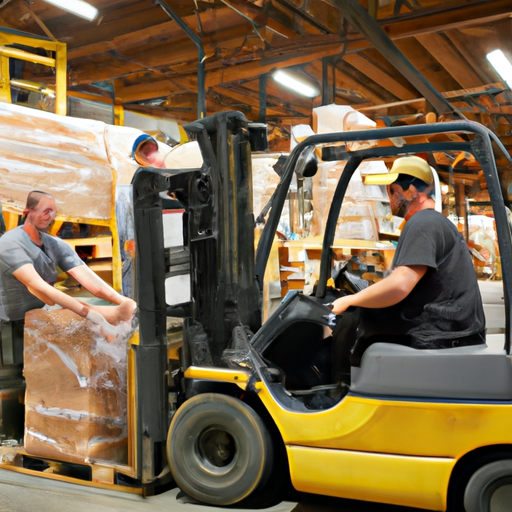
On the other side of the spectrum are warehouse forklifts. These are the marathon runners of the forklift family—designed for speed and efficiency on smooth, indoor surfaces. They usually have smaller, more maneuverable tires and a tighter turning radius, making them perfect for zipping through narrow aisles and busy loading docks.
While they might not have the off-road prowess of a rough terrain forklift, warehouse forklifts are the undisputed champions of cost-effectiveness. Their lower fuel consumption and maintenance needs make them an economical choice for companies with indoor operations. But don’t just take my word for it, check out all the options available to find the best match for your setup.
Now, let’s talk money. Rough terrain forklifts, with their additional capabilities and robust build, generally come with a higher price tag. You’re not just paying for a forklift; you’re paying for a mini-tank on wheels. Warehouse forklifts, being more specialized for indoor use, tend to be easier on the wallet in terms of upfront costs and long-term expenses.
However, remember that the cheapest option isn’t always the best one. Think about what you need the forklift to do. Are you conquering rough patches of dirt and gravel, or are you cruising through a warehouse? For tailored price quotes that won’t leave your pockets empty, visit our pricing page and make an informed decision.
Ask any seasoned forklift operator, and they’ll tell you—it’s not just about the specs. It’s about the feel. A rough terrain forklift on a construction site feels like a trusty old pickup truck, ready to go anywhere. Meanwhile, a warehouse forklift is like your everyday sedan—smooth, reliable, and efficient for the daily grind.
It’s this kind of practical knowledge that often gets overlooked in spec sheets and brochures. So, take it from those who know, and don’t underestimate the importance of operator comfort and usability in your decision-making process.
Choosing between a rough terrain and a warehouse forklift isn’t just about the specs and price. It’s about understanding your needs and the environment in which the forklift will operate. Whether you need something rugged for the outdoors or sleek and efficient for the indoors, there’s a perfect machine out there for you.
Need help deciding? Don’t go it alone. Our experts at All States Industrial are here to guide you every step of the way. Get in touch to explore your options and ensure you’re investing in the right equipment for your business.
“`


March 30,2026

March 30,2026


The largest network of forklift dealers in the US and Canada is at your fingertips. Get the best pricing nationwide now on renting or buying a forklift
Get the lowest prices from our forklift dealers near you.
