
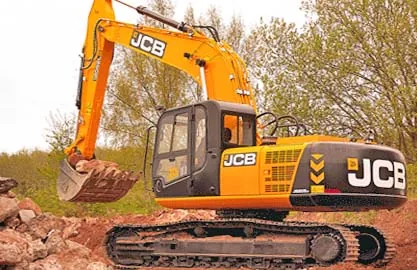
Buying a new or used excavator
Excavators are selected by far more than operating weight. Digging depth, reach at grade, lift capacity at radius, tail-swing clearance, hydraulic flow and transport dimensions determine whether a machine can work productively on the actual site.
Compact excavators can fit utility, landscaping and interior-demolition work, while mid-size and large crawler excavators support trenching, mass excavation, loading and heavy site preparation. The right bucket, coupler, thumb, breaker or specialty attachment can matter as much as the base machine.
Compare new-machine warranty, technology and availability with the purchase price, hours, condition and remaining service life of used excavators. The better value is the machine that can complete the required work at a predictable delivered and operating cost.
Common excavator uses, applications and jobsite fit
- Utility trenching and drainage: Dig water, sewer, electrical and storm lines while controlling trench depth, spoil placement and access around existing work.
- Mass excavation and loading: Move soil, aggregate and demolition material efficiently when bucket size, cycle time and truck positioning are matched.
- Site preparation and land clearing: Remove stumps, shape slopes, pull material and prepare grades with buckets, thumbs, rakes and mulching attachments.
- Demolition and material handling: Use auxiliary hydraulics with breakers, processors, grapples or magnets when reach, guarding and carrier stability are suitable.
Advantages of excavators for construction and industrial work
The advantages depend on matching the machine to the production plan. Capacity, reach, traction, attachments, access and serviceability should improve the work rather than simply add specifications.
- Controlled digging geometry: Boom, arm and bucket combinations provide useful depth and reach without repeatedly repositioning the carrier.
- Full upper-structure swing: A 360-degree work envelope supports trenching, loading and material placement in organized work zones.
- Attachment versatility: Hydraulic couplers and auxiliary circuits can turn one excavator into a digging, breaking, grading or handling machine.
- Tracked stability: Crawler undercarriages spread machine weight and provide a stable base on prepared soil when ground conditions are appropriate.
Compare excavator sizes, configurations and capabilities
Use the deepest cut and farthest working radius the crew actually expects, then verify lift capacity and bucket performance at that position. Also confirm tail-swing clearance, track width, ground pressure, hydraulic attachment requirements and legal transport weight before comparing excavator prices.
| Configuration | Often fits | Compare before requesting prices |
|---|---|---|
| Compact and mini excavators | Tight access, utility repair, landscaping and lighter trench work | Width, tail swing, dig depth, auxiliary flow and trailer weight |
| Mid-size crawler excavators | General construction, foundations, drainage and production loading | Bucket range, reach, lift chart, coupler, grade control and transport |
| Large production excavators | Mass excavation, quarry, heavy civil and high-volume loading | Cycle time, bucket match, undercarriage, fuel use, service access and haul logistics |
Excavators for sale, rental, lease or financing
When comparing excavators for sale, rental and lease, define the project schedule and expected annual hours before choosing an ownership path. Purchase can fit predictable utilization and long holding periods. Rental can keep a specialized machine tied to one project or production phase. Leasing can create a planned replacement cycle, while heavy-equipment financing options may preserve working capital for other parts of the job.
Excavator rental can fit a defined trenching, demolition or site-work phase, especially when size and attachments may change between projects. Buying or leasing can make more sense for steady utilization, standardized attachments and crews that can manage maintenance and transport. Compare the complete delivered cost, including attachments, freight, setup, training, service responsibility and end-of-term obligations. The equipment price comparison guide explains why a headline price alone is not a complete quote.
How to inspect used excavators for sale
A used-equipment inspection should connect wear to expected production and repair cost. Confirm the exact model, product identification or serial number, hours, ownership history and service records before relying on photos or a general condition statement.
- Measure track, roller, idler and sprocket wear rather than judging the undercarriage from paint.
- Check boom, stick, bucket linkage, pins, bushings and weld areas for movement, cracking or repairs.
- Cycle the hydraulics at operating temperature and look for drift, leaks, weak functions or unusual noise.
- Inspect the slew bearing, final drives, travel motors, cab controls, safety systems and included attachments.
Ask for cold-start and operating videos, fluid information, fault codes and close photographs when an in-person inspection is not available. Confirm who is responsible for loading, permits, freight, unloading and any damage found at delivery. Review what to verify when buying equipment online before sending payment.
What affects excavator prices?
New and used excavator prices change with size class, hours, undercarriage remaining life, hydraulic condition, bucket and coupler package, technology options, warranty, freight and local service support. Location also matters because transport, dealer inventory and field-service coverage vary. Use the equipment dealer location pages to plan delivery and support, then compare equivalent configurations through the current equipment price form.
Questions to ask before accepting a dealer quote
- What exact machine, serial number, hours and configuration are included?
- Which attachments, couplers, technology packages and manuals come with it?
- What inspection, service, warranty or return documentation is provided?
- Are loading, freight, setup and delivery included in the quoted price?
- Who provides parts, field service and technical support near the delivery location?
Excavator buyer FAQs and related equipment guides
What size excavator should you choose?
Use the deepest cut and farthest working radius the crew actually expects, then verify lift capacity and bucket performance at that position. Also confirm tail-swing clearance, track width, ground pressure, hydraulic attachment requirements and legal transport weight before comparing excavator prices. Oversizing can increase transport and operating cost, while an undersized machine can create slow cycles, overload risk and avoidable downtime.
Is it better to buy or rent a excavator?
Excavator rental can fit a defined trenching, demolition or site-work phase, especially when size and attachments may change between projects. Buying or leasing can make more sense for steady utilization, standardized attachments and crews that can manage maintenance and transport. The better answer comes from utilization, project duration, maintenance capability, transport frequency and the total cost of keeping the machine available.
How should buyers compare excavator prices?
New and used excavator prices change with size class, hours, undercarriage remaining life, hydraulic condition, bucket and coupler package, technology options, warranty, freight and local service support. Put each quote into the same delivered configuration and review the total equipment ownership cost factors before making the final comparison.
Continue through the heavy-equipment buying pages, review more equipment buyer FAQs, or explore the related machine guides below.