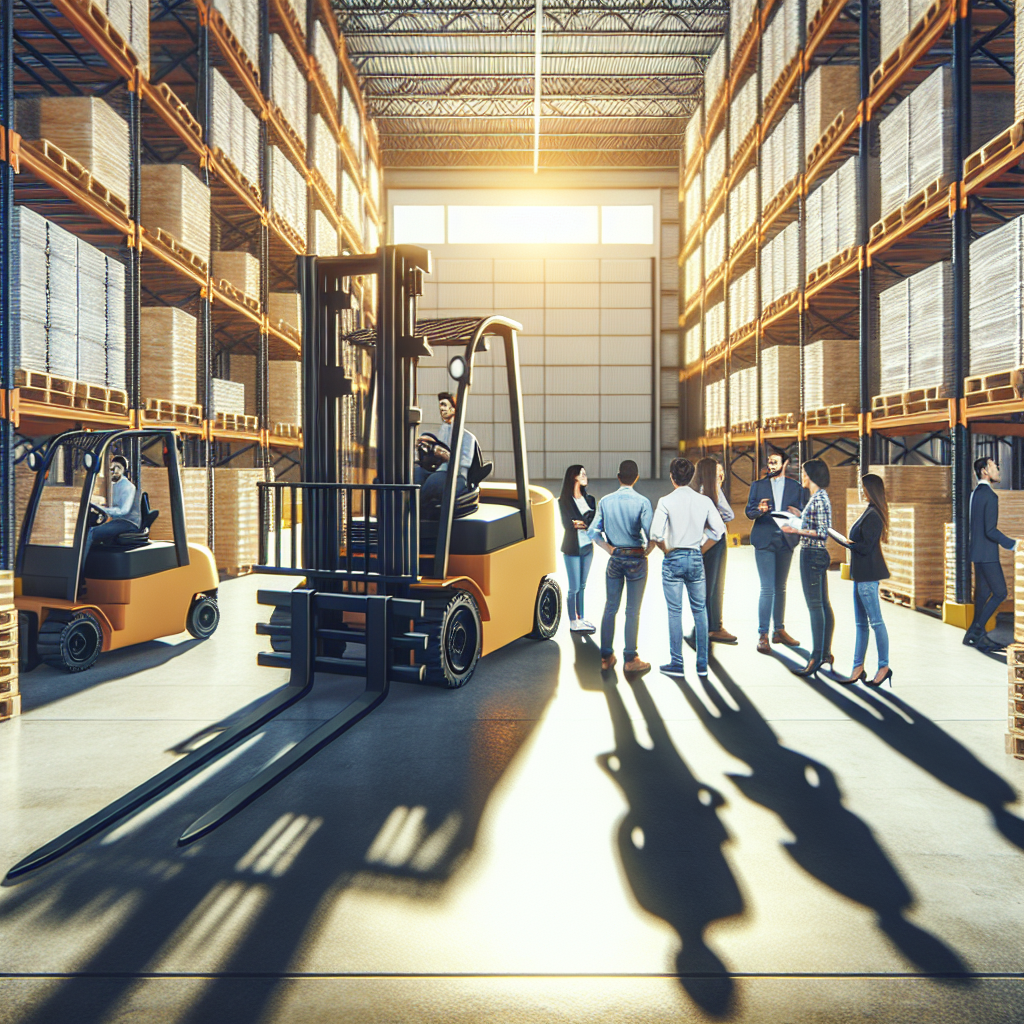
Let’s cut to the chase: picking the right forklift capacity isn’t just about the numbers on a spec sheet. It’s about understanding your warehouse’s unique needs and the kind of loads you’ll be handling. This isn’t a one-size-fits-all situation. Get it wrong, and you could be looking at inefficiencies, safety hazards, or even costly damage. Need help choosing the right forklift? Get expert advice now!
Capacity isn’t just a single static number. It’s dynamic and can change based on the weight and dimensions of the load. A forklift’s capacity is typically listed on its data plate, but that number assumes a certain set of conditions—usually a centered, balanced load at a specific lift height. Deviate from these conditions, and the effective capacity drops like a stone.
Ah, the load center—a term that’s too often misunderstood. The load center is the distance from the front of the forks to the center of gravity of the load. Standard forklifts are rated for a 24-inch load center, but if your load is awkwardly shaped or extends beyond this, the forklift’s capacity decreases. This is why understanding your load types is crucial. If you’re more curious about how to choose the right length for your forklift forks, check out this detailed guide.
When you’re lifting stuff, the higher you go, the less stable things tend to get. The higher you lift a load, the lower your forklift’s capacity. If your warehouse has towering shelves, you need to factor in height into your capacity calculations. It’s not just about getting heavy stuff off the ground; it’s about getting it safely to the top shelf without tipping over.
Adding attachments like sideshifters or rotators can reduce a forklift’s capacity. They add extra weight and often change the load center. So, if you’re planning to use any attachments, make sure you account for this in your capacity calculations. Forklifts are workhorses, but even they have limits.
Here’s where things get tricky. Do you go for a forklift with a capacity to spare, or do you stick to the bare minimum? More capacity often means a higher initial cost, but it can save you from potential mishaps and operational inefficiencies. It’s a balancing act between cost and capability. If you’re curious about how different forklifts compare in terms of pricing and costs, get a price quote today to see what fits your budget.
Let’s get a bit real here. Not every warehouse is some perfectly organized paradise. Sometimes, you’re maneuvering in tight spaces, and that can affect your forklift choice. If your warehouse is a maze of narrow aisles, then a smaller forklift with a lower capacity might be more practical, even if it means more trips. Remember, a forklift that can’t move freely is as good as a paperweight.
Think about the future. Don’t just buy a forklift for what you’re doing today; think about where your business is headed. Are you planning to expand? Will your loads get heavier? A forklift is an investment, and like all investments, you want it to last. The right choice today might save you a headache tomorrow.
Choosing the right forklift capacity is more than just crunching numbers. It’s about understanding your unique needs, current constraints, and future growth. Don’t leave it to chance. Explore our range of forklifts to find the perfect match for your warehouse.
“`


March 31,2026


March 31,2026


The largest network of forklift dealers in the US and Canada is at your fingertips. Get the best pricing nationwide now on renting or buying a forklift
Get the lowest prices from our forklift dealers near you.
