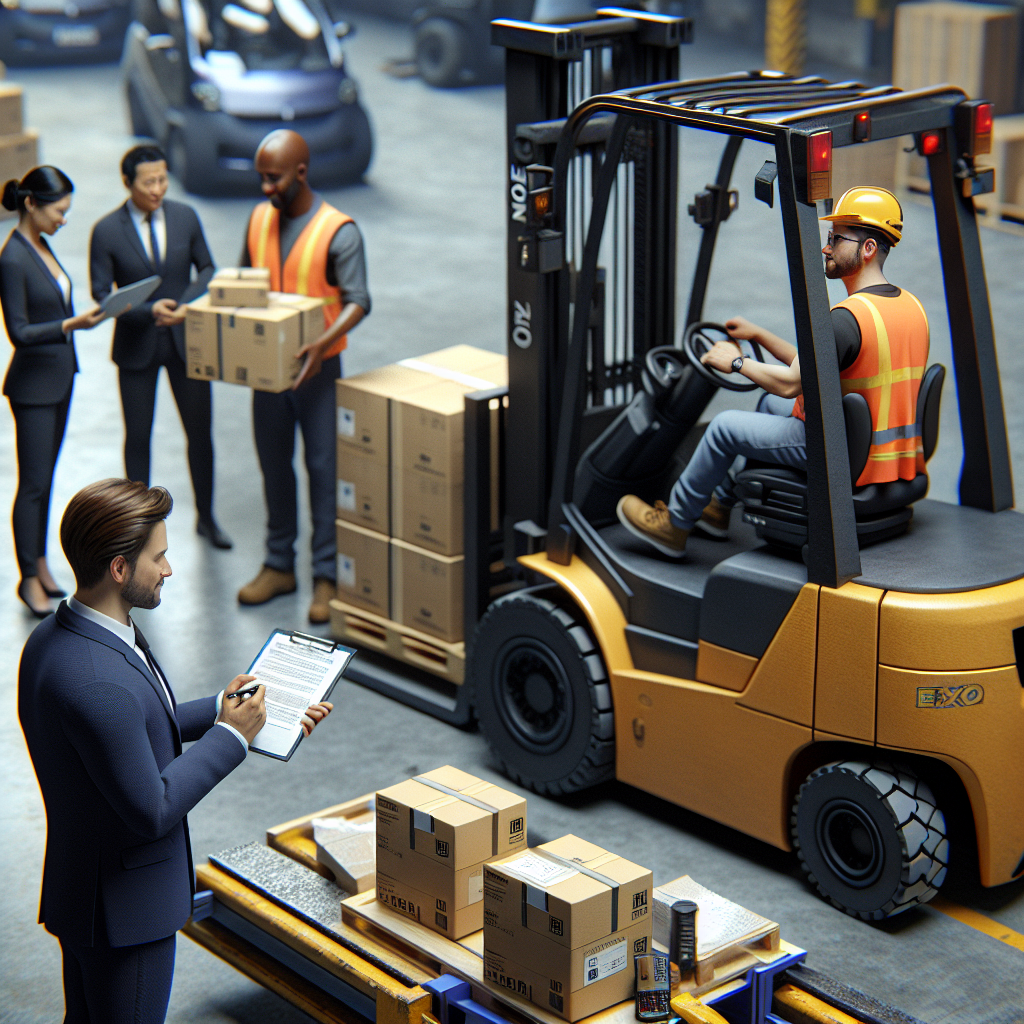
So you’re in the market for a forklift in 2026? Well, buckle up because it’s quite the ride figuring out what you’ll need to shell out. Forklifts, those workhorses of the industrial world, don’t come cheap. But if you’re knee-deep in logistics, construction, or manufacturing, they’re as essential as your morning coffee.
The cost of a forklift in 2026 isn’t just a number you can pluck off a shelf, and there’s good reason for that. The price can fluctuate based on a multitude of factors, such as the type of forklift, its capacity, and the specific features you need. These elements can make the difference between a moderately priced model and one that’s equivalent to buying a small house.
Let’s break it down. If you’re going for a basic electric pallet jack, you might be looking at the lower end of the scale. These are perfect for small businesses or operations confined to warehouses. But once you start considering more complex models—say, a diesel-powered all-terrain forklift—the costs start climbing.
A new electric forklift might set you back anywhere from $20,000 to $45,000. Comparatively, a brand-new, heavy-duty diesel forklift could range from $30,000 to $100,000. And if you’re eyeing a fancy automated guided vehicle (AGV) forklift, prepare for sticker shock. They can easily breach the $200,000 mark, but they do come with the allure of cutting-edge technology and reduced labor costs.
Forklift pricing isn’t just a game of numbers; it’s influenced by economic factors, technological advancements, and even regulatory changes. For instance, as we push towards greener alternatives, electric forklifts are gaining traction (pun intended), and their prices reflect that demand. Then there’s the whole supply chain aspect—remember how the pandemic threw a wrench in just about everything? Well, the aftershocks are still causing ripples in the industrial equipment market.
Now, if you’re thinking about financing options, you’re not alone. Many businesses opt to finance their forklift purchase to ease the financial burden. You can check out some handy tips on financing a forklift purchase here.
It’s not just about buying new. The used forklift market is vibrant and worth considering, especially if you’re pinching pennies. A well-maintained used forklift can offer solid performance without the hefty price tag. But be cautious—due diligence is crucial. Check service records, inspect for wear and tear, and maybe even look into getting a second opinion from a trusted mechanic.
And if you’re pondering over what capacity you might need for your business, take a look here for a detailed guide. It’s a decision that could save you both time and money in the long run.
Here’s a little nugget from the field: I once visited a bustling warehouse that had a mix of old and new forklifts. The older models, while not as shiny, were still solid performers thanks to regular maintenance. The manager told me they saved a fortune by balancing their fleet with both new and used equipment. It’s a strategy worth considering if you’re running a tight ship.
In 2026, buying a forklift is as much about strategy as it is about budget. Consider your needs, your space, and your future growth plans. It’s not just an investment in machinery; it’s an investment in efficiency and productivity.
So, whether you’re going for new, used, or something in between, remember: a well-chosen forklift won’t just lift pallets—it’ll lift your entire operation.
“`


March 31,2026


March 31,2026

The largest network of forklift dealers in the US and Canada is at your fingertips. Get the best pricing nationwide now on renting or buying a forklift
Get the lowest prices from our forklift dealers near you.
